FunnelCockpit Review: A practical, long-form review and testing playbook: detailed feature review, step-by-step funnel builds, multi-variant test examples, and a ready-to-use A/B testing checklist you can run today.
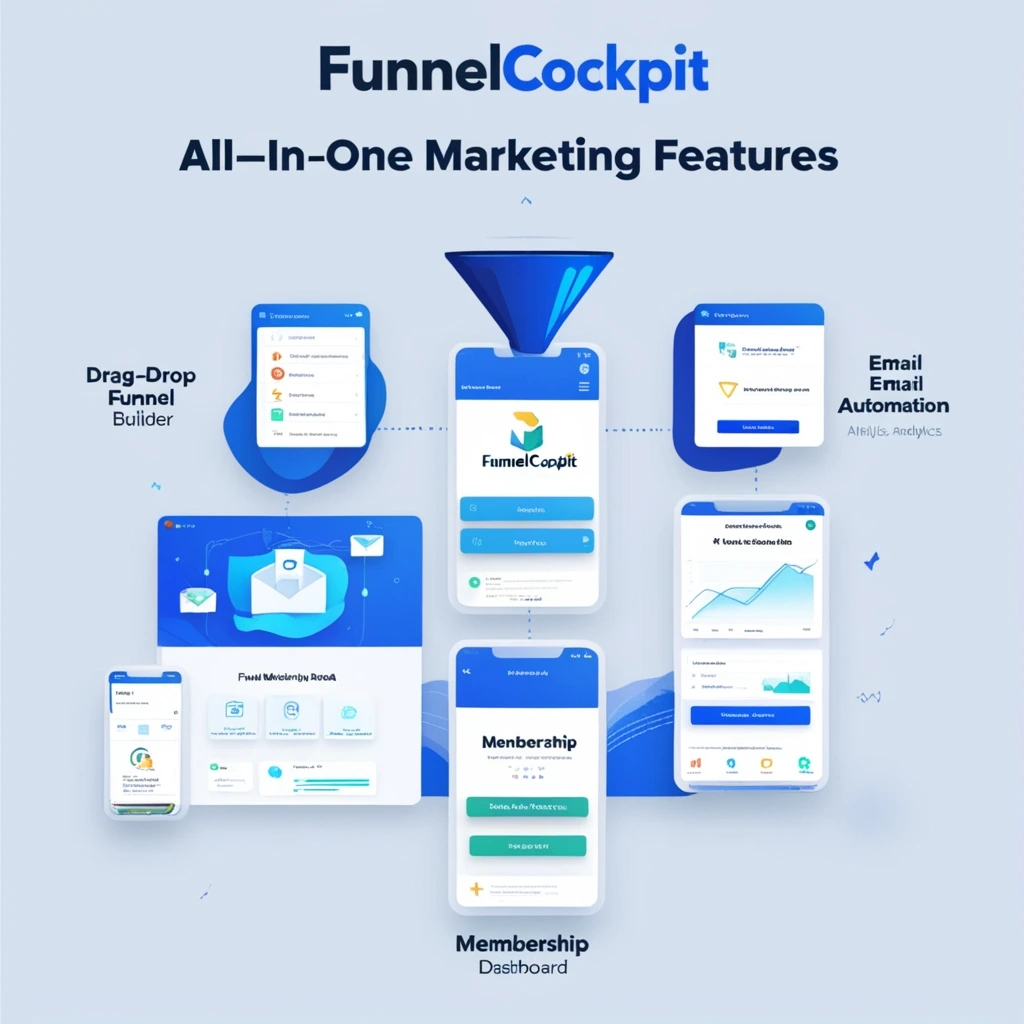
FunnelCockpit is an integrated funnel, email, membership, and analytics suite built for creators and small agencies who want fewer tools and tighter funnel-to-email integration. This guide goes beyond the basics and shows exactly how to plan, run, and interpret split tests for multi-step funnels using FunnelCockpit’s features.
FunnelCockpit packages funnel builder, page editor, email automation, membership hosting, and analytics into a single platform. This reduces the friction of moving leads between systems and simplifies pixel/event tracking — valuable if you run multi-step funnels and want consistent visitor-to-customer attribution. The product is marketed to course creators, coaches, SaaS founders with digital products, and small marketing agencies.
The page and funnel editors are the primary playground. Templates accelerate launches; funnel templates (webinar, lead magnet, tripwire) let you scaffold flows quickly. Look for these capabilities while you build: global blocks for reusable elements, mobile editor preview, and the ability to A/B test entire funnel steps.
Tag-based contact segmentation and automation flows are central. Tagging is how you move users between funnel stages and trigger membership unlocks or follow-ups. You’ll want robust email reporting (open/click) and the ability to connect to SMTP or external providers for deliverability control.
Built-in membership areas make delivering paid courses simple: access rules, drip schedules, and lesson bundles are generally editable in the membership module. For creators, the combination of funnel + membership reduces integration points and saves time on seat/license management.
Tracking and behavioral analytics (heatmaps, session recording) are extremely useful for conversion optimization—especially when you’re trying to diagnose where people drop in a funnel step.
Zapier/Pipedream connectors, webhooks, and a public API allow you to connect CRMs, analytics stacks, or in-house systems when needed.
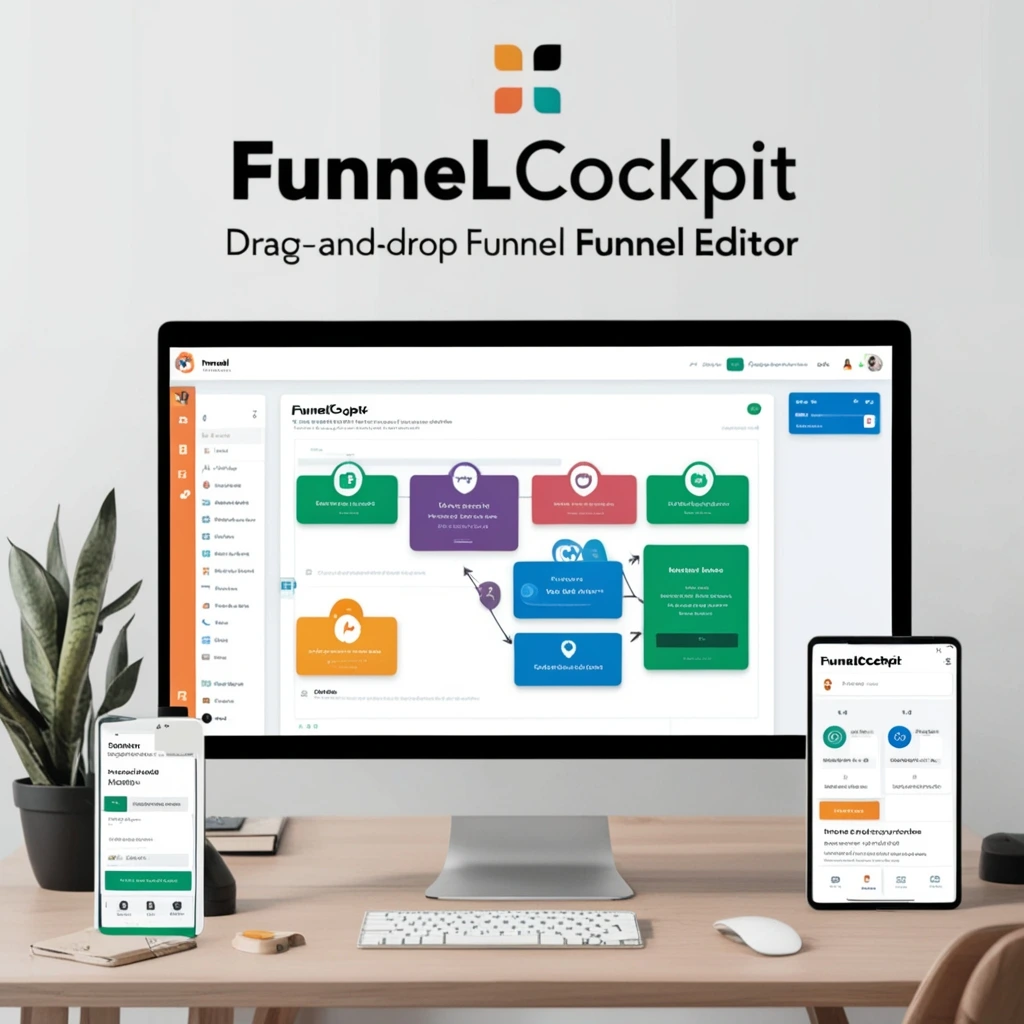
In practice, FunnelCockpit’s value depends on how many tools you would otherwise use separately. If you currently pay for a page/funnel builder, an email provider, a membership LMS, and a basic analytics/heatmap tool, consolidating will often cut your bill and simplify operations. However, always compare limits (contacts, funnels, students, project slots) — some all-in-one plans impose quotas that matter at scale.
Below is a practical funnel you can recreate quickly. Each stage includes notes on what to test (A/B ideas) and the metrics to watch.
This sequence converts cold traffic into customers efficiently: the lead magnet builds trust, the tripwire lowers friction to buy, and membership addresses LTV by delivering a larger-value course. Each step is a testable conversion event: opt-in rate, tripwire conversion, OTO conversion, and course retention.
Split-testing in single-page apps is common; testing multi-step funnels is where serious money is made. Below are field-tested strategies that work across niches.
Test one small element per experiment to get clean wins quickly. Typical single-element tests:
Run these first to gain uplift quickly before moving to complex experiments.
Test more impactful layout changes after you stabilize headlines. Examples:
This is the high-leverage area. Test how one step influences downstream conversions. For example:
Multi-step tests require tracking cohorts (who saw which variant) and following them through the entire funnel life cycle (often 7–30 days, depending on offer cadence).
Pricing experiments influence revenue more than most cosmetic tests. Typical pricing tests:
After buying, test onboarding sequences, welcome emails, and drip schedules for membership retention. Retention improvements compound LTV — small gains here can significantly raise profitability.
Below are three full example experiments you can implement immediately in FunnelCockpit. Each includes the hypothesis, test setup, primary KPI, secondary KPIs, sample plan notes, and how to declare a winner.

Hypothesis: A benefit-driven headline will increase opt-ins by making the value clearer.
Variant A (Control): “Free Guide to Launching Your First Course”
Variant B (Test): “How to Launch a Course That Makes $5,000 in Month One — Free Guide.”
Primary KPI: Opt-in conversion rate (unique opt-ins / unique visitors to the page).
Secondary KPIs: Email open rate for initial email, tripwire purchase rate within 7 days.
Sample notes: Run until you have at least several hundred visitors per variant or until statistical confidence is reached (typical small tests run 1–2 weeks for paid traffic).
Declare a winner: The variant with a materially higher opt-in rate and no negative impact on downstream tripwire conversions wins.
Hypothesis: A delayed tripwire delivered after value-first emails will produce higher net revenue per lead by increasing trust and urgency.
Variant A: Present tripwire directly on Thank-you page after opt-in (immediate pitch).
Variant B: No pitch on Thank-you; tripwire emailed on Day 3 in a sequence with testimonials and scarcity.
Primary KPI: Revenue per lead (RPL) over 14 days.
Secondary KPIs: Tripwire conversion rate, overall opt-in rate (ensure no drop-off), unsubscribe rate.
Sample notes: Cohort analysis required: tag contacts by variant and check revenue across 14 days. Watch for sequence engagement differences.
Declare a winner: The variant with the highest net RPL without unacceptable increases in unsubscribes or long-term churn.
Hypothesis: A bundled price with a one-time discount will increase average order value (AOV) and conversion rate versus a lower single-price tripwire.
Variant A: Tripwire price $27 (simple checkout).
Variant B: Bundle price $47 with an immediate add-on upsell (discounted bundle saving 30%).
Primary KPI: Revenue per visitor (RPV) — this captures both conversion rate and price sensitivity.
Secondary KPIs: Refund rate, upsell take rate, churn in membership, if applicable.
Sample notes: Pricing tests need enough volume because revenue variance is higher; plan for longer runs or larger traffic pools (ads).
Declare a winner: Greatest RPV with acceptable refund and churn levels.
Analysis is where most tests fail. Below are action-oriented rules to keep results clean and reliable.
If you change headline + image + CTA copy in one test, you won’t know which element moved the needle. Use single-element tests to identify low-hanging fruit, then run combined variants if needed.
For funnel tests, tag users by variant on entry (e.g., variant_headline_A). Track downstream metrics (tripwire revenue, OTO uptake, membership retention) so you can measure long-term impact, not just immediate clicks.
Volume matters. Low-traffic funnels need longer runtimes. If your daily visitors are small, prioritize high-impact tests (pricing, page layout) and consider running winners in sequential A/B tests rather than multi-variant simultaneous tests.
Some variants interact—for example, a headline that increases opt-ins might attract lower-intent leads who convert less on tripwire offers. Always look at both top-of-funnel and bottom-of-funnel KPIs.
Small percent improvements can be noise. Look for sustained difference across several days and across multiple traffic sources if possible. If a test shows early signs of improvement, let it run to confirm the trend (unless you have overwhelming volume to reach significance quickly).
Pre-test
During test
Post-test
When testing multi-step flows, design the experiment to measure the full economic impact. Here are two practical templates you can copy into FunnelCockpit.
Can I run multi-step A/B tests in FunnelCockpit?
tests, multi-step funnel tests are best implemented using cohort tagging at entry and following segments through automation. Use tags to mark which funnel variant each contact saw and report on downstream revenue and behavior. How long should I run tests?
Yes—while FunnelCockpit’s native A/B features work well for single-step
Duration depends on traffic. For high-traffic paid funnels, you may reach reliable results in days; for organic or low-traffic flows, expect 2–6 weeks. Always check for consistency across days and traffic sources before implementing winners. What KPIs matter most?
Primary KPIs depend on stage: opt-in rate for lead pages, conversion rate or revenue per visitor for order pages, and retention/renewal for membership funnels. Choose one primary KPI per test and track others as guardrails.
If you want to run the exact funnels and split-tests described here, test FunnelCockpit using the affiliate link below. It helps you consolidate tools and lets you focus on experiments that move the needle.
Disclosure: This article contains affiliate links. If you purchase via the link above, I may earn a commission at no extra cost to you.